Multi-agent orchestration is rapidly evolving from experimental scripts into structured, enterprise-grade engineering patterns. Among the tools emerging in this space, Squad has consistently stood out for its clean abstractions, pragmatic architecture, and sheer developer ergonomics.
Having contributed to and worked closely with Squad since its early days, my appreciation for what the framework enables only continues to grow.
Standing on the Shoulders of Giants: Tamir Dresher & Brady Gaster#
The architecture behind Squad didn’t happen by accident. Immense credit belongs to Tamir Dresher and Brady Gaster, the minds behind the project.
Tamir and Brady approached multi-agent coordination with the precision of seasoned distributed systems architects and the empathy of passionate developer advocates. They built a framework that treats agents not as monolithic black boxes, but as modular, observable team members capable of true peer-to-peer collaboration, planning, and task execution.
Working with Squad makes multi-agent orchestration feel less like wrestling prompt pipelines and more like directing a well-oiled engineering squad. Their vision laid a rock-solid foundation for the community to extend, customize, and push the boundaries of what local and cloud-based agentic workflows can achieve.
The Missing Dimension: Real-Time Visual Presence#
When you run complex agent workflows—agents breaking down tasks, delegating sub-problems, reviewing code, and running sanity checks—much of the action happens under the hood or scrolls past in a rapid-fire CLI stream.
While raw logs and console dumps are great for debugging, they don’t capture the dynamism of a team collaborating in real time.
That spark ignited when I came across Pixel Agents by Pablo De Lucca.
Pablo’s project introduced an inspired concept: giving AI processes personality and physical presence through charming, animated 8-bit pixel art characters. Watching tiny retro figures pace, converse, crunch code, and signal state transitions turned abstract background computations into an intuitive, engaging workspace.
Bringing 8-Bit Retro Charm to Squad#
Seeing Pixel Agents in action made the next step obvious: Squad needed this visual dimension.
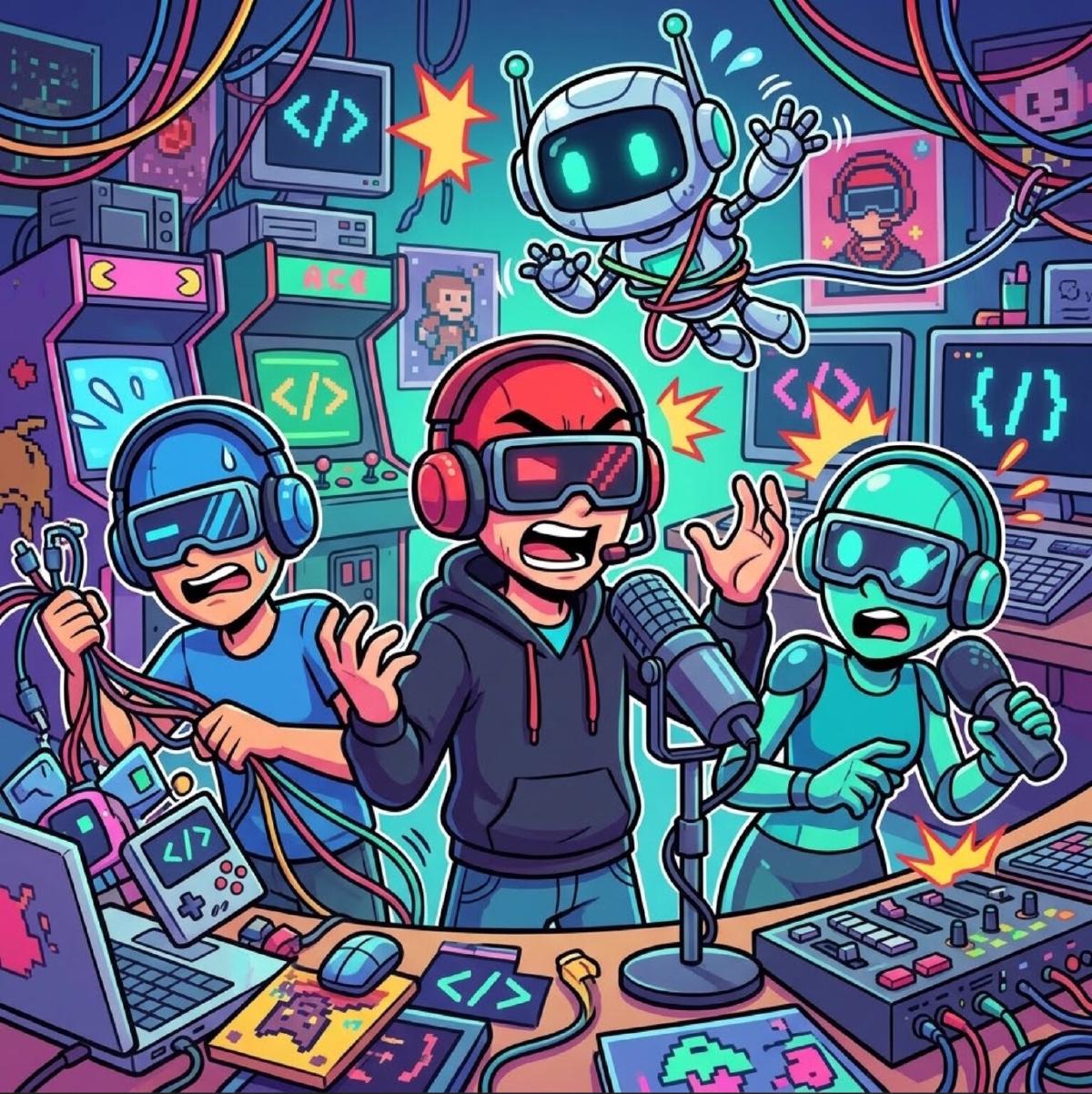
Imagine running a Squad workflow where each specialized agent in your roster—the planner, the coder, the tester, the reviewer—is represented by an expressive 8-bit pixel avatar stationed in a retro digital room:
- When an agent receives an instruction, their workstation lights up.
- When agents exchange context or hand off artifacts, you see them interact across the digital floor.
- When an agent hits an error or waits on human-in-the-loop validation, visual alerts instantly signal the roadblock without digging through console output.
By combining the robust orchestration engine built by Brady and Tamir with the retro visual language inspired by Pablo’s concept, we bridge the gap between deep technical capability and delightful developer experience.
It preserves everything developers love about Squad’s modularity while transforming the multi-agent terminal into a living, visual command center.