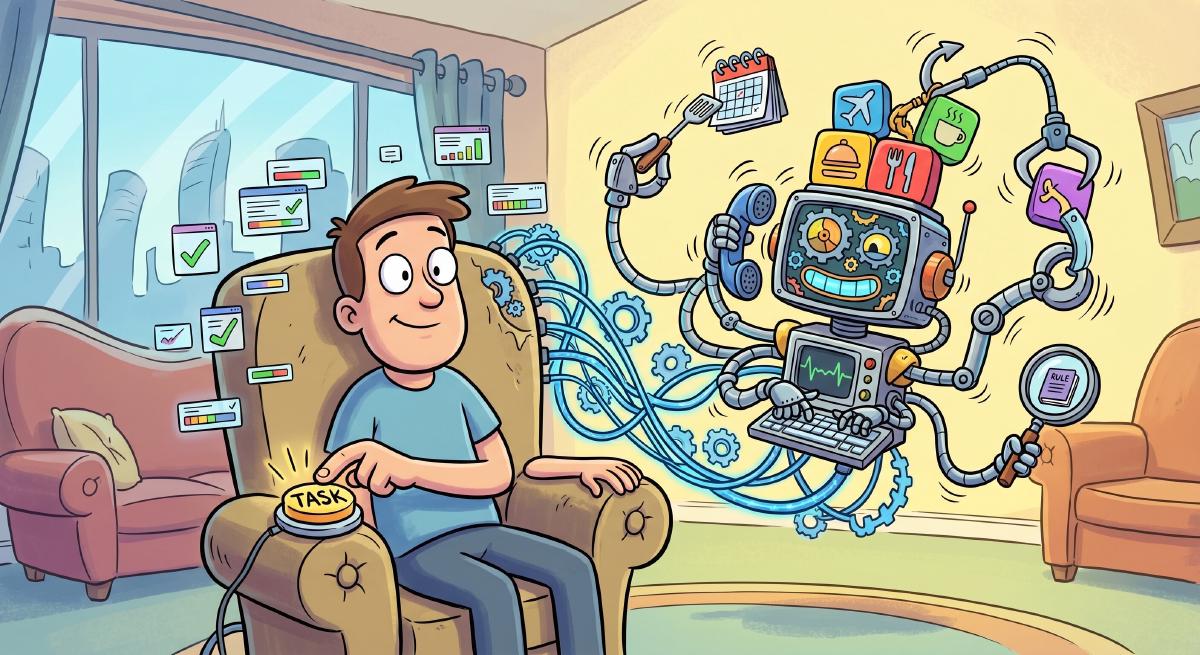

The recent spotlight on Microsoft’s OpenClaw team highlights a major shift in the industry. For the past few years, we have been enamored with Large Language Models that can talk. Now, we are entering the era of models that can do.
The personal assistant challenge is not about better prose; it is about better plumbing. For an AI to be truly useful as a personal assistant, it needs the agency to interact with various APIs, understand context over long durations, and make decisions within set guardrails.
Why OpenClaw Matters
The OpenClaw initiative is particularly interesting because it addresses the “last mile” of AI integration. It is one thing to have a model summarize an email; it is another thing entirely to have an agent see a meeting request, check your personal calendar, suggest a venue based on your past favorites, and send the invite.
The Orchestration Layer
This moves the technical challenge away from the size of the model and toward the sophistication of the orchestration. We are seeing a move toward specialized agent frameworks that can handle high-concurrency tasks while maintaining a “human-in-the-loop” safety net.
Looking Ahead
As these frameworks mature, the way we build software will fundamentally change. We will move from building interfaces for humans to building surfaces for agents. It is an exciting time to be in the ecosystem, especially as these tools become more accessible to developers via Azure and open-source contributions.
For those tracking this space, keep a close eye on the Microsoft Learn documentation for AI Services and the Microsoft Research updates. The frameworks being built today are the foundation for how we will interact with computers for the next decade.
Read Mary Jo Foley’s breakdown on what Microsoft is building today: https://www.geekwire.com/2026/microsofts-openclaw-team-takes-on-the-personal-assistant-challenge/
Read about Omar Shahine’s journey to Microsoft and what he is working on: https://www.omarknows.ai/p/lobster-got-hired